Cancelled Christian movies that never reached cameras
There is a whole shelf of Christian movies that almost happened. They were pitched as the next Passion of the Christ: big budgets, serious craft people, literary or biblical IP, coverage in Variety or Deadline. Then the financing fell apart, a studio got nervous about how religious the material looked, or the project simply stopped updating. Mel Gibson’s 2004 film remains the comparison everyone reaches for. This piece is about the ones that did not make it to a Friday.
The producers and companies behind those swings form a fairly small network. Mel Gibson’s Icon and Steve McEveety’s Mpower. Walden Media and Cary Granat’s later City Hill orbit. Ralph Winter and Terry Botwick at 1019 Entertainment. Howard Kazanjian chasing Peretti at Fox. Dean Wright in New Zealand. Ken Wales after Amazing Grace. Gener8Xion in its TBN-Hollywood years. Fellowship for Performing Arts, which is trying to turn a stage hit into a feature. What follows is that file, project by project.
7 min read
The Passion of the Christ, still the movie every cancelled faith epic is measured against.
Kingdom Come
Dean Wright came closest to making a modern studio Jesus epic. As visual-effects supervisor on The Lord of the Rings and Walden’s first Narnia, he spent years packaging Kingdom Come, a public-ministry picture budgeted north of $100 million, with miracles, angels, demons, and a first-century Jerusalem built like a fantasy set. Barrie Osborne introduced him to cinematographer Vittorio Storaro. Pre-production moved into New Zealand’s Hawke’s Bay. Hundreds of jobs were announced. Storaro spent months preparing. Wright has said they were weeks from rolling when the 2008 financial crisis pulled Japanese investors out. Cameras never turned.
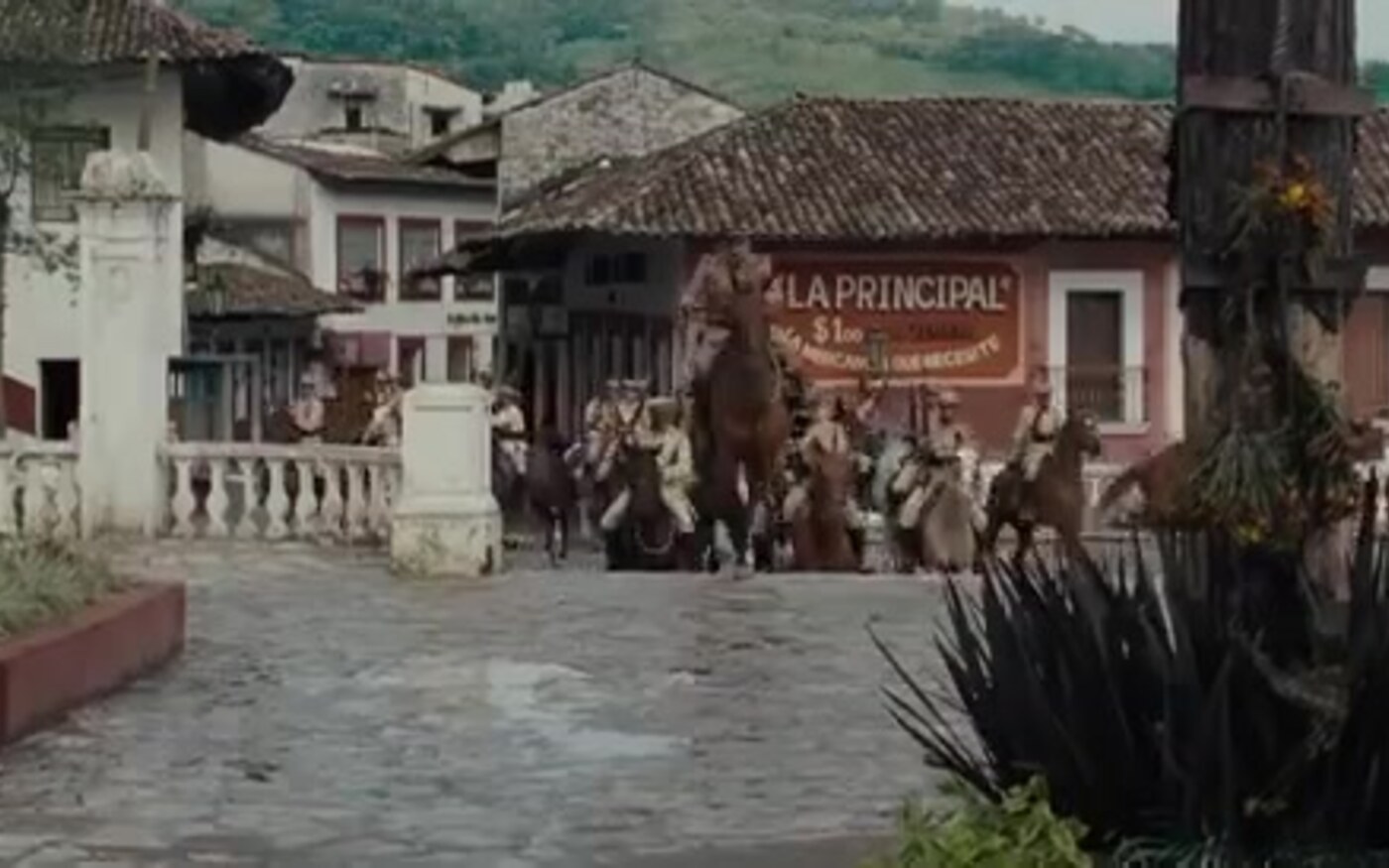
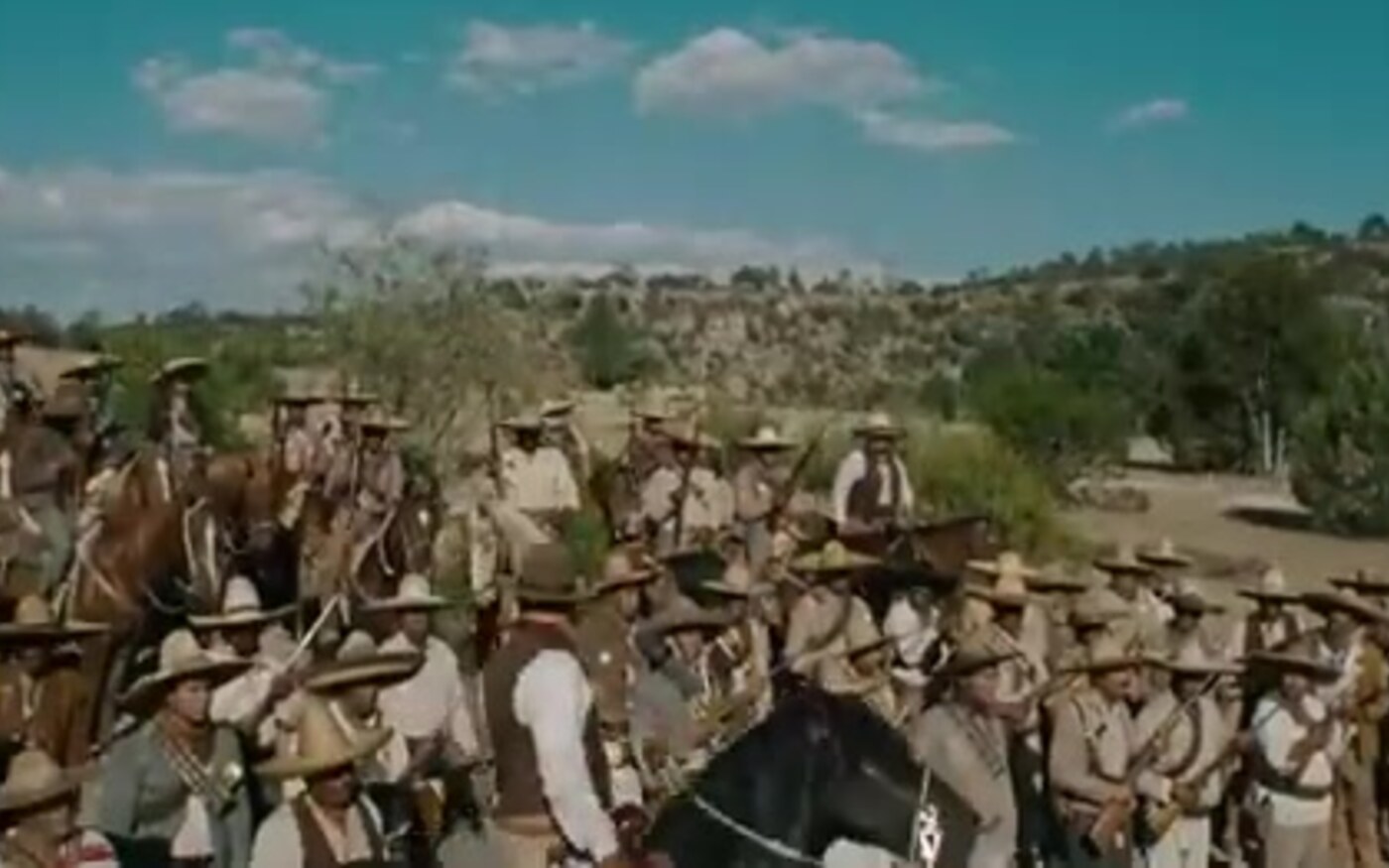
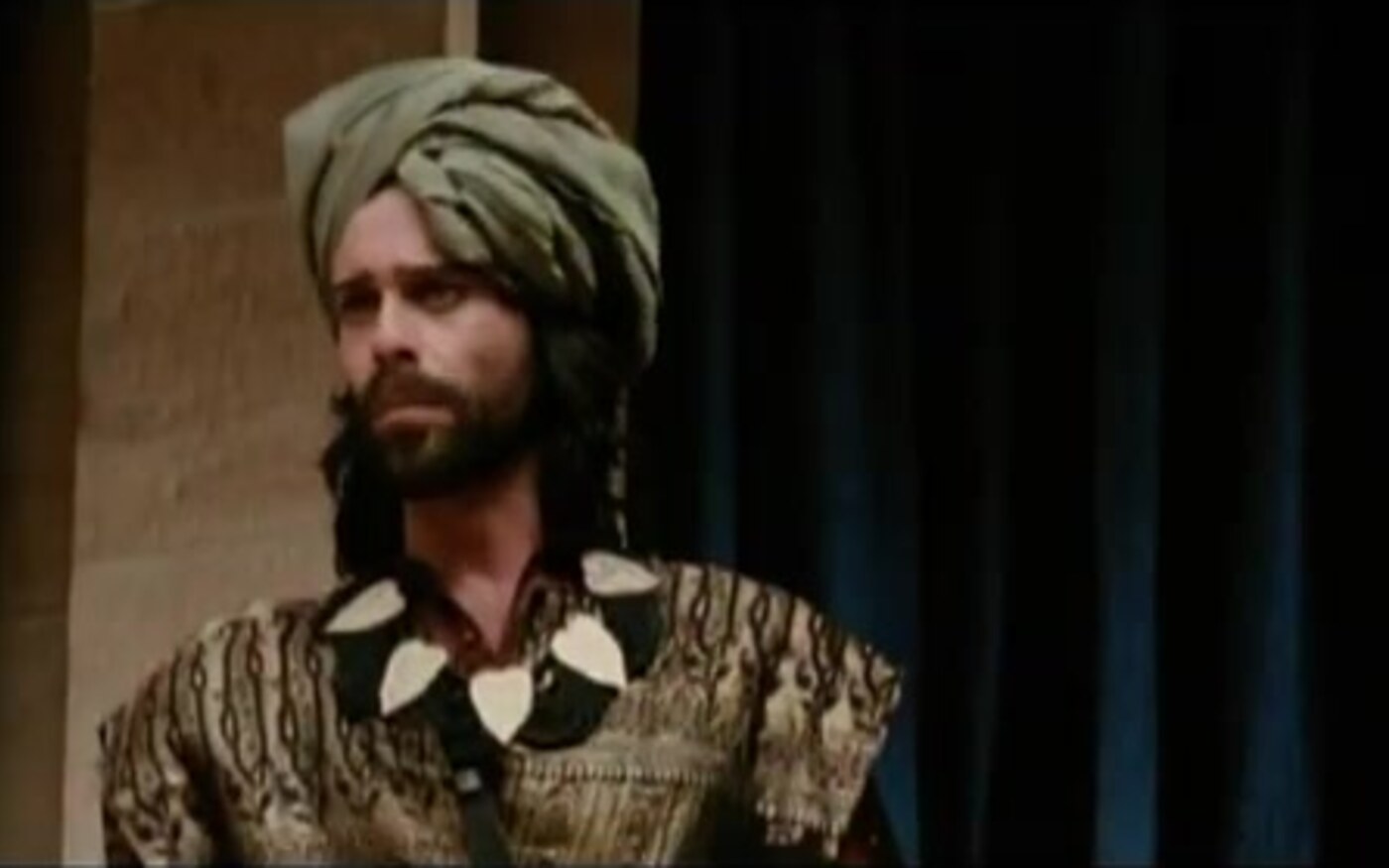
Wright directed For Greater Glory instead, a Cristero War drama that did reach theaters with horses, crowds, and a release date. Kingdom Come never returned as a greenlit shoot. Storaro later photographed Majid Majidi’s Muhammad after those months spent prepping a Gospel film that died. Around the same time, Charles Parlato’s Nicaea, a Milvian Bridge-to-council epic with Passion-adjacent craft ambitions, also failed to close financing.
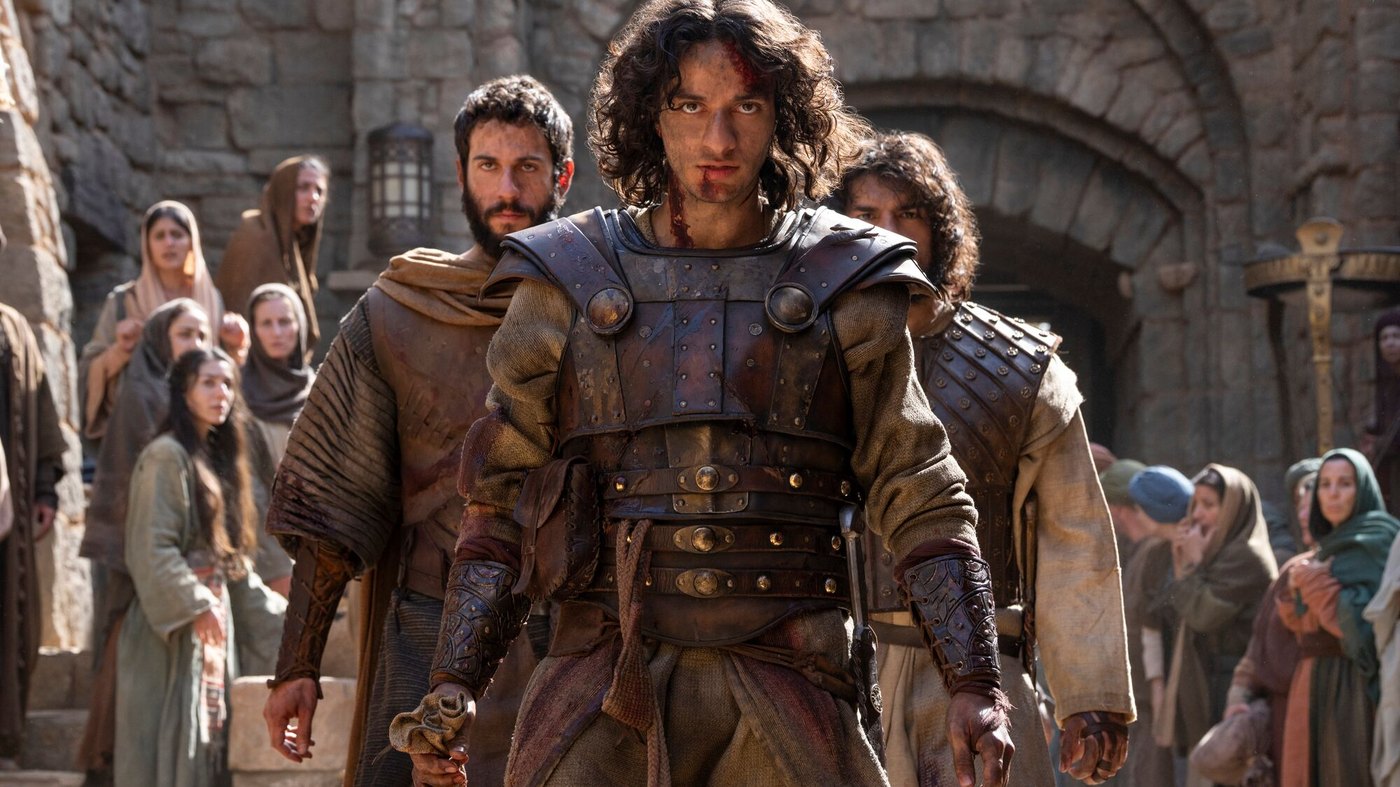
For Greater Glory, the movie Wright made after Kingdom Come collapsed.Wright could finish a period war picture when the money held. His Jesus epic in New Zealand never got that far.
This Present Darkness
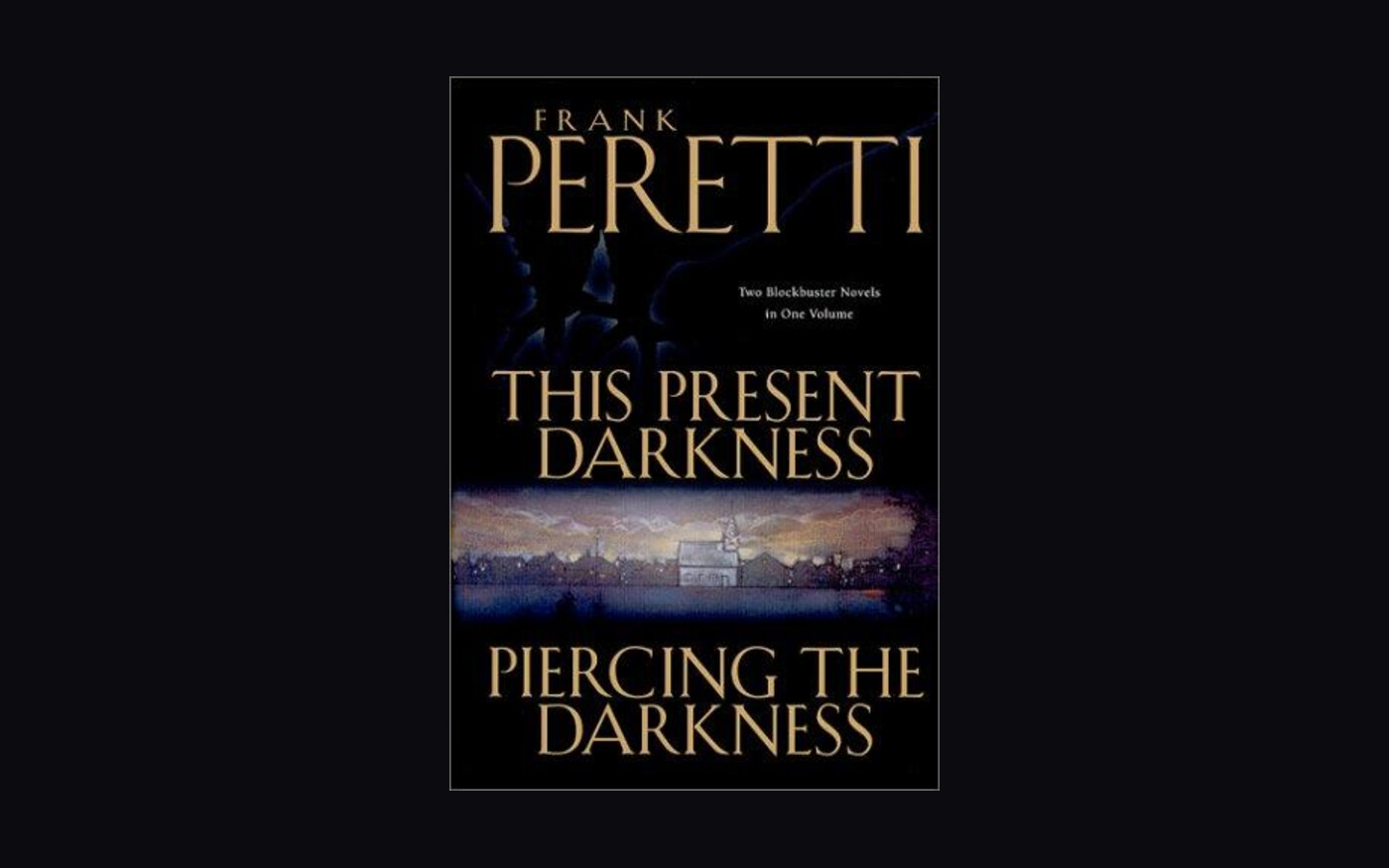
Frank Peretti’s This Present Darkness got further inside a major studio than most Christian bookstore novels ever do. Howard Kazanjian, a producer on Raiders of the Lost Ark and Return of the Jedi, chased the angel-and-demon story for years. Chuck Russell was attached to direct. Fox 2000 took a serious look. By the late 1990s the team had creature designs from Bernie Wrightson, Miles Teves, Stephan Martinière, and others, and ILM had run effects tests on the lot. Studio executives still worried the movie felt too religious. Peretti later said the book was simply too expensive to mount at the scale everyone wanted.
Peretti’s novel, the one Fox nearly turned into a spiritual-warfare blockbuster.
After the Fox version collapsed, Ralph Winter’s Namesake lane made smaller Peretti adaptations instead, including Hangman’s Curse and The Visitation. Those films exist. The Fox This Present Darkness does not. The lesson the industry took was blunt: angels and demons at blockbuster scale are hard to greenlight if the room writing the check is already uneasy.
Hangman’s Curse, one of the smaller Peretti movies made after This Present Darkness stalled at Fox.
Winter’s Constantine and the first Screwtape collapse
Winter and Botwick’s 1019 Entertainment mixed faith-shaped projects with broader entertainment. Around 2013 they were attached to a David Franzoni screenplay about Constantine the Great, the emperor, not Keanu Reeves, covering the Christianization struggle after Galerius. Trade coverage came and went. No studio locked in. No start date was announced. The project disappeared. In the same period, 1019 and Walden Media floated a Screwtape Letters feature that also never reached production. Old announcements still turn up in search results; nothing behind them moved to cameras.
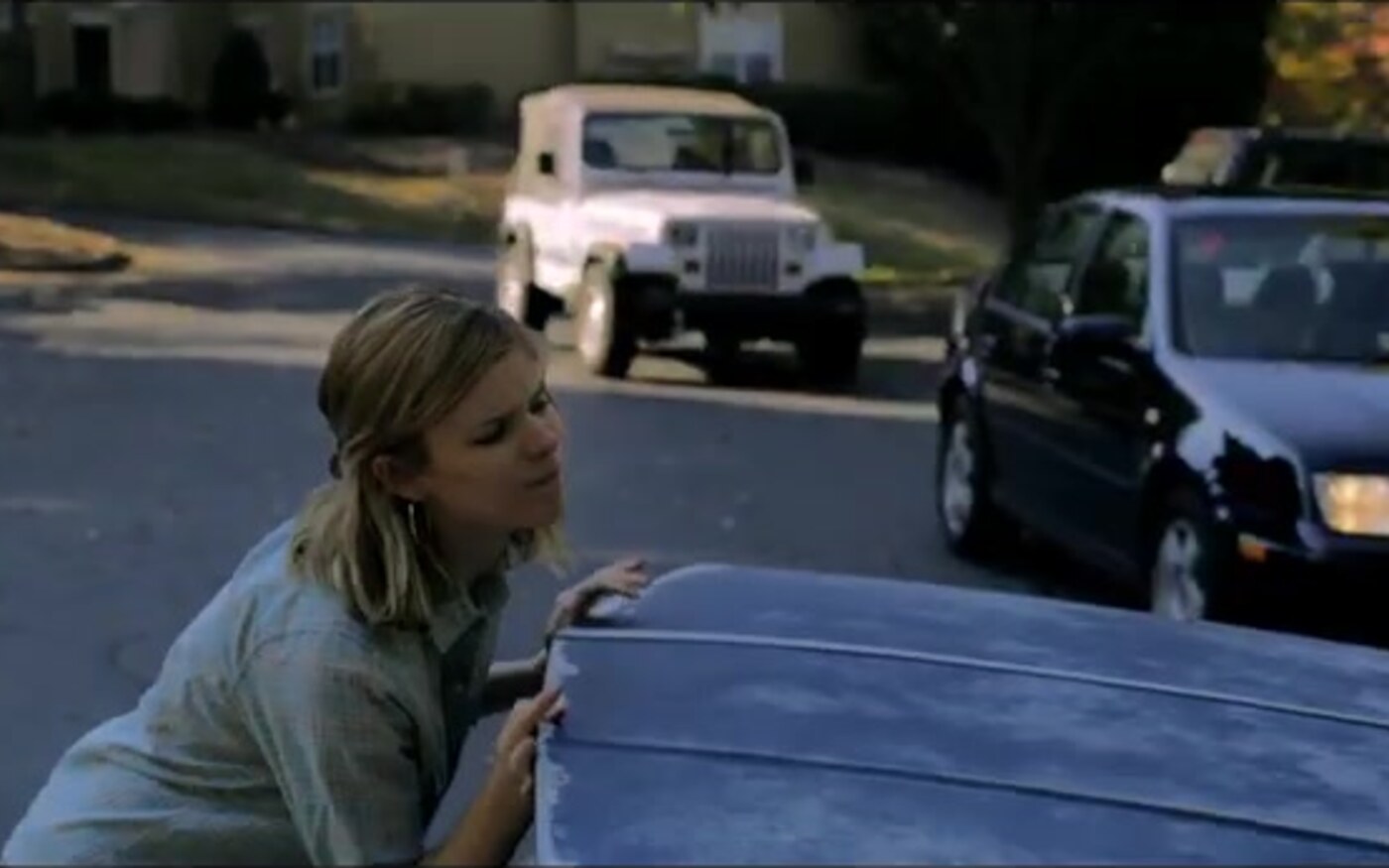
What 1019 did finish was Captive (2015), the Brian Nichols kidnapping story built around Rick Warren’s Purpose Driven Life, with Kate Mara and David Oyelowo. That film opened. The Constantine epic did not.
Captive, from Winter and Botwick’s 1019 slate. Their Constantine emperor film never reached a similar point.
Scott Derrickson’s name also circulated around Screwtape in those years. He had already made The Exorcism of Emily Rose and later built a career in mainstream horror with a real interest in spiritual stakes. The Lewis adaptation was not the project that stuck.
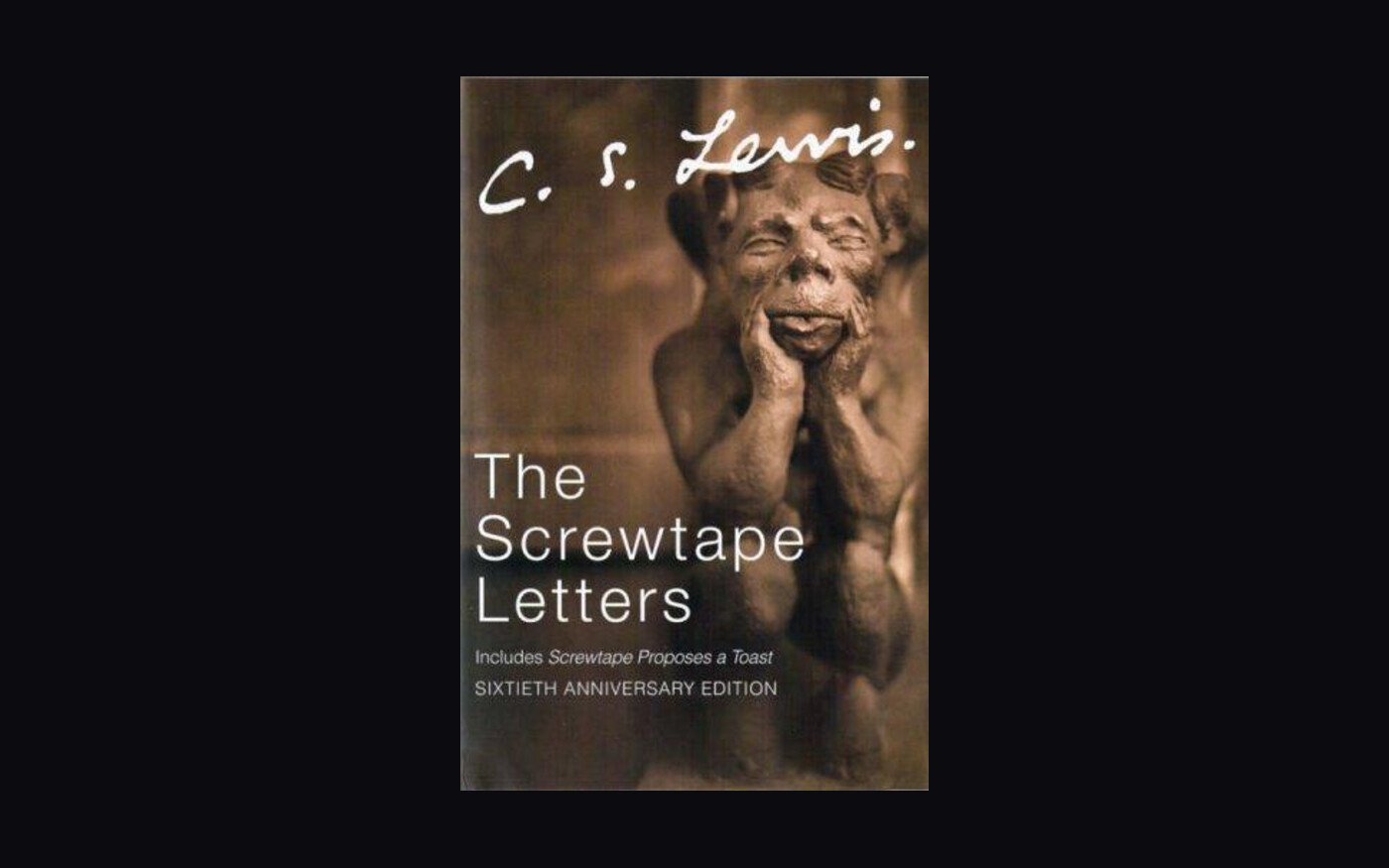
The Screwtape Letters, which Winter and Walden tried to film before Fellowship for Performing Arts took the rights.
The Great Divorce and Ken Wales’s unfinished shelf
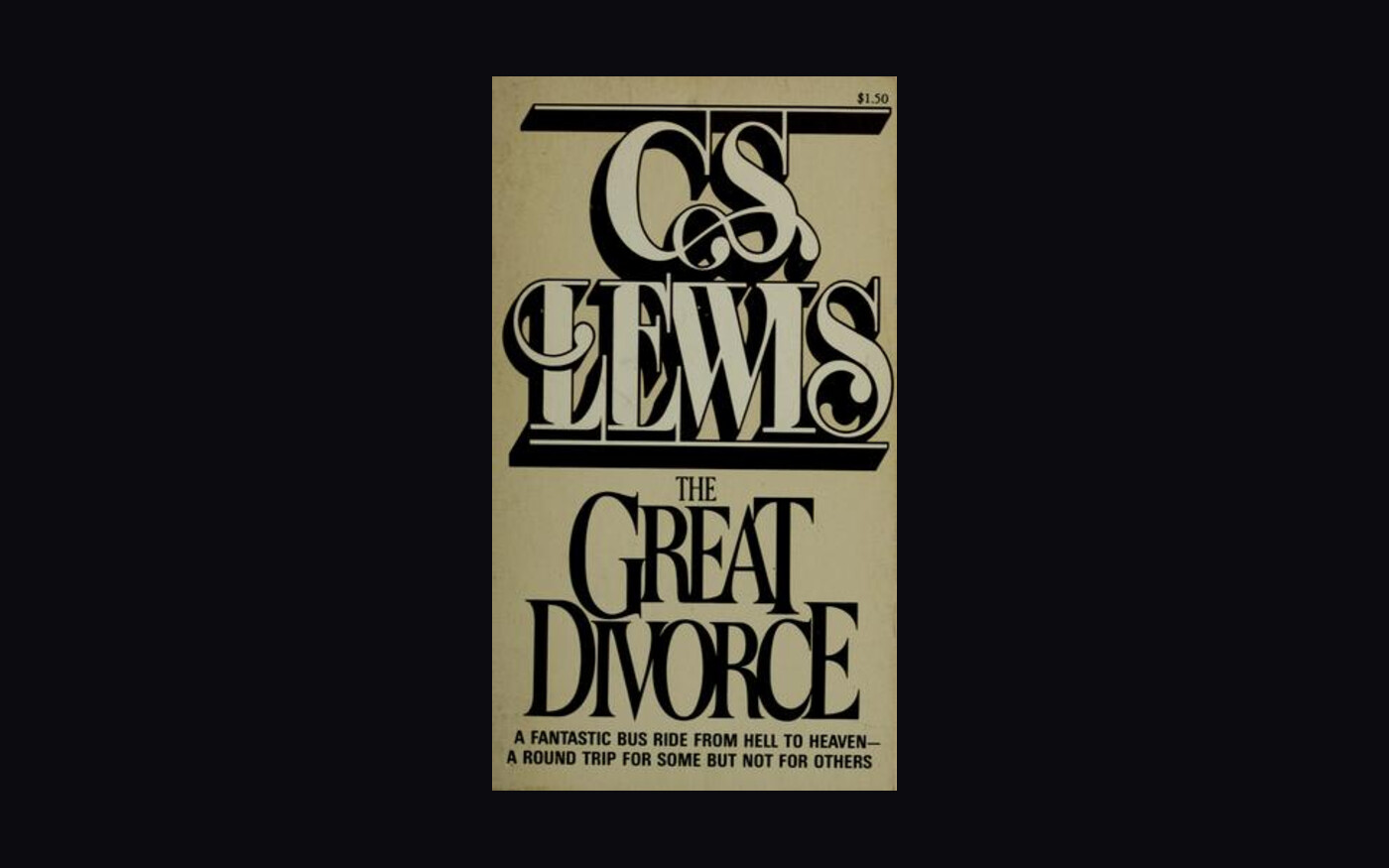
After The Passion and Braveheart at Icon, Steve McEveety’s Mpower Pictures developed The Great Divorce, with N.D. Wilson attached to adapt Lewis’s bus-ride-from-Hell novella and Beloved Pictures co-producing. On paper it looked like prestige fantasy with a moral argument underneath. It never became a locked production.
Lewis’s Great Divorce, announced as an Mpower feature and never scheduled for cameras.Fellowship for Performing Arts later put The Great Divorce on stage. McEveety’s film version stayed in development.
Ken Wales, who did get Amazing Grace into theaters in 2006, spent years developing other Lewis- and Wilberforce-adjacent projects that never closed, including talk of a Chariots of Fire sequel path, a John Newton biopic, a Four Chaplains picture, and another run at The Great Divorce. The Wilberforce film is the one that survived that shelf.
Amazing Grace, the prestige faith film Wales finished while several other projects stayed unmade.
In the Beginning
Cary Granat, who helped put Walden’s first Narnia into multiplexes, has been attached since about 2010 to In the Beginning, a CGI retelling of Genesis from creation through Eden. Paramount and Reel FX were in the early conversation. John Fusco wrote a draft. David L. Cunningham was named to direct. Early budget talk sat around $30 million. The studio relationship cooled, but the project never received a clean public burial. It just kept being described as forthcoming.
Creation through Eden, the story Granat has been trying to mount as CGI since the Paramount era.
In November 2024, Mister Smith Entertainment screened a fifteen-minute presentation at AFM for buyers, with City Hill Arts financier Jonathan E. Lim and Oscar-winning visual-effects artist Ed Jones among the producers, and a December 2026 global launch as the pitch. The presentation mixed scripture with cosmology language aimed at family audiences. Lim’s company takes its name from Matthew 5:14. As of this writing the film is still described as preparing, still lacks a major studio distributor, and still has no Friday this desk can print with confidence. After fifteen years, the absence of a public production frame is the story.
Screwtape again
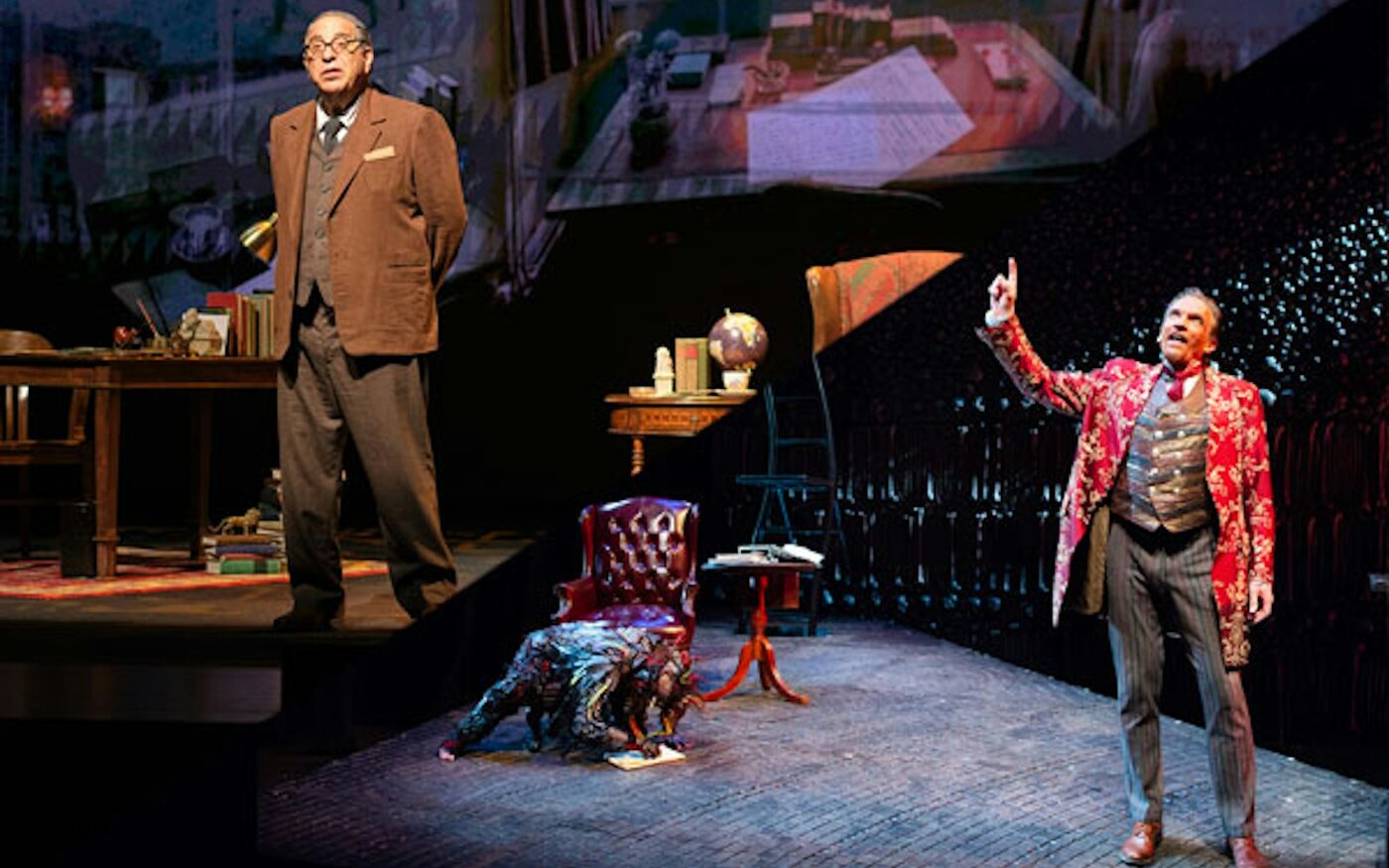
Ralph Winter and Walden Media already tried to adapt The Screwtape Letters and failed to get it made. Fellowship for Performing Arts later secured exclusive feature rights from the C.S. Lewis Company. That is a meaningful change of ownership, and it is still not the same thing as a finished movie. Max McLean’s stage production has played New York, London, and multiple U.S. tours. FPA says it expects film production to begin in late 2027, is still interviewing writer-director teams, and plans a quiet donor campaign to underwrite the slate. A companion mid-life Lewis film, working-titled The Road to Narnia, is in script, and executive producer Ken Denison has been in the United Kingdom planning schedule and crew for that second picture. Late 2027 is a production target, not a release date.
FPA’s stage company already knows how to put Screwtape and Lewis in a room. The feature still needs a film director and a start date.The Most Reluctant Convert proved FPA could finish a Lewis feature. Screwtape would be a much larger bet.
Paradise Lost
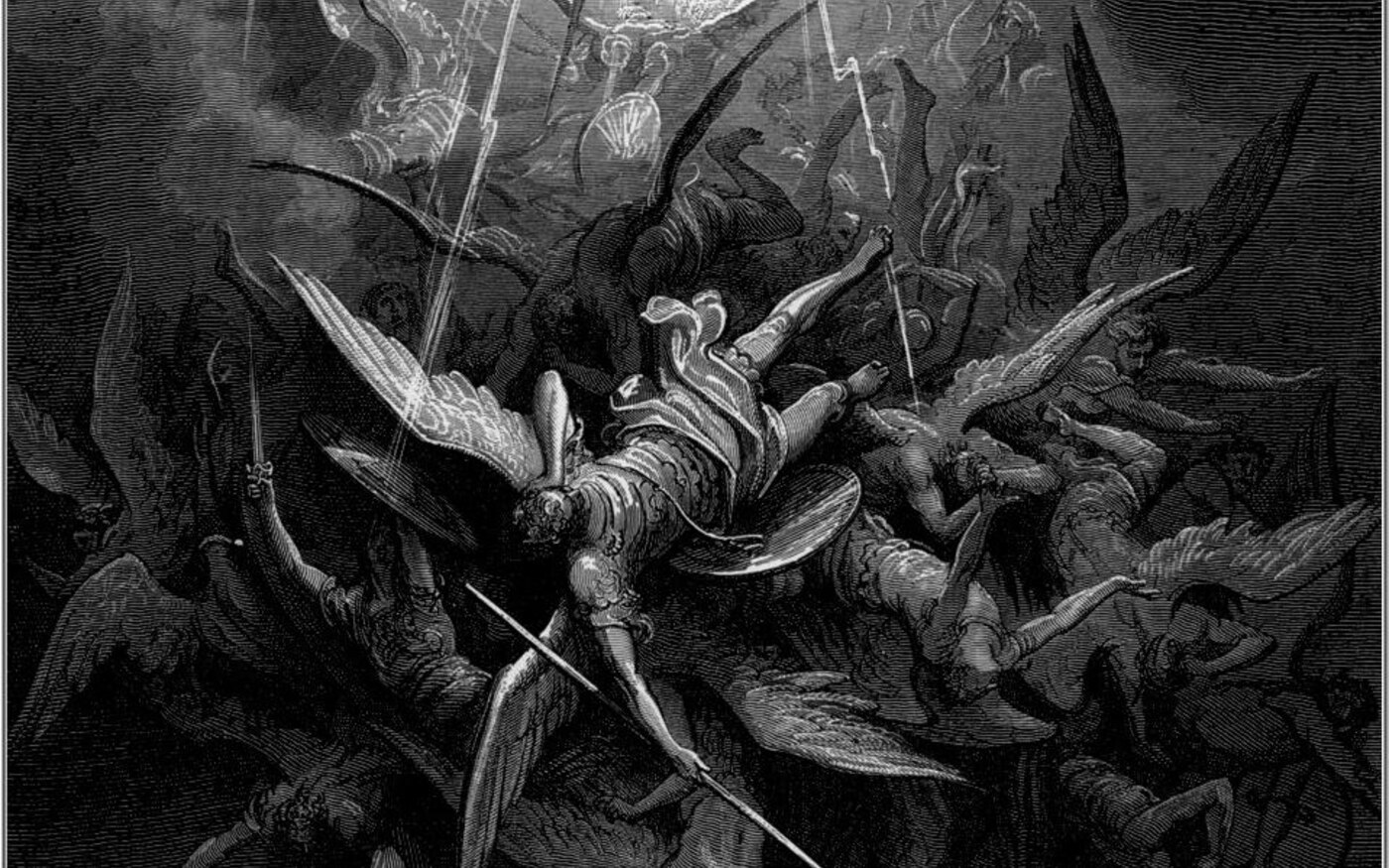
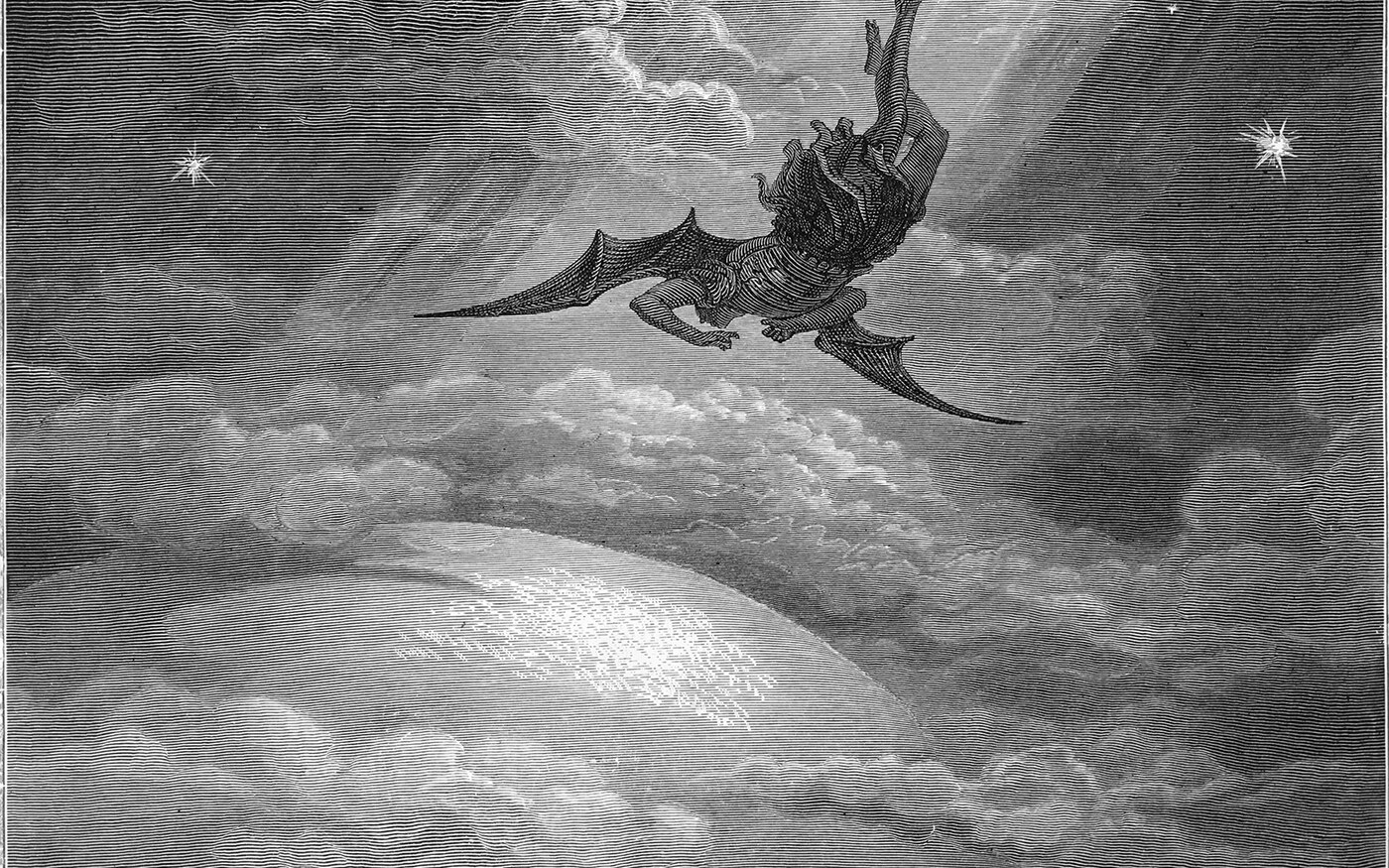
Roger Avary’s Paradise Lost, set up at Ex Machina Studios, is the newest attempt to film Milton’s war in Heaven. Deadline reported that the company is selling AI-assisted world-building as the way to afford cosmic spectacle after earlier studio versions, including a high-profile Alex Proyas path at Warner Bros., could not get financed. Mayfair Media Group later talked about an Easter 2027 release and more than 1,500 screens. As of August the project was still casting, and no production still has circulated. Until cameras roll, it belongs with Kingdom Come and In the Beginning: announced scale, no public footage.
Gustave Doré’s Paradise Lost. Avary’s version has not released a production image of its own.Hollywood has called Milton unadaptable for years. Ex Machina is betting AI changes the math.
Gener8Xion goes quiet
Gener8Xion Entertainment, the Crouch family’s TBN-adjacent Hollywood faith studio, made The Omega Code and One Night with the King before going largely dormant after about 2010. The company’s appetite for big swings went with it. In the wider orbit of unfinished faith prestige, Rich Swingle’s With Wings as Eagles script never became a production, and a late-2000s Qatar-backed Muhammad multi-film package linked to Barrie Osborne sat in cautious development without becoming the Majidi film Storaro eventually shot. The pattern is familiar: a loud announcement, language about scale, and no Friday.
One Night with the King, from Gener8Xion’s active years, before the studio’s bigger pipeline went quiet.
What is left
These projects did not fail because nobody announced them. They failed when money that liked the pitch met a greenlight process that disliked the theology, or when a budget only worked until an outside crisis arrived. Wright’s Jerusalem sets never opened. Kazanjian’s Ashton had ILM tests and no release. Winter’s Constantine is now a search result. Granat is still trying to dramatize Genesis. FPA holds Screwtape after the Winter-Walden attempt died, and still has to prove a feature can survive the same trap.
A real event movie needs a release date, a circuit, and footage that exists. Until then, the useful habit is to separate press releases from call sheets, and to treat the cancelled shelf as part of the beat rather than as trivia.